
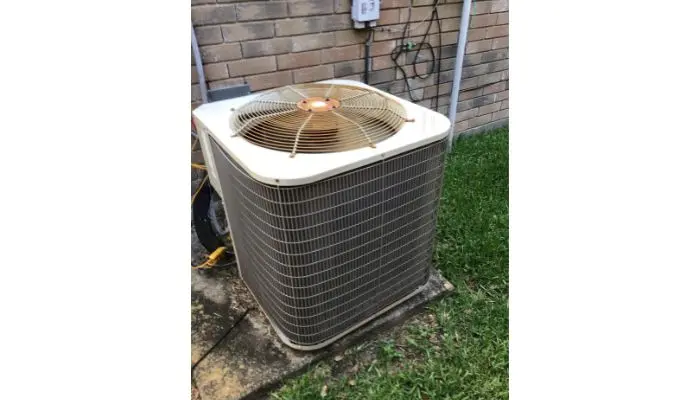
If you notice water leaking from your air conditioner, it is important not to ignore it. While air conditioning systems naturally produce condensation during operation, visible leaks are often a sign that something is wrong and could potentially lead to costly water damage inside your home.
Homeowners frequently ask whether water around an AC system is normal. In most cases, you should never see water actively dripping from your air conditioner inside the home or running down an exterior wall.
Understanding why your AC creates water and what causes leaks can help you protect both your HVAC system and your property.
Why Air Conditioners Produce Water
Your air conditioner does more than cool the air — it also removes humidity from your home.
During Houston’s hot and humid summers, your AC system can produce nearly a gallon of water per hour as it pulls moisture from the indoor air. That moisture collects on the evaporator coil and drains away through the condensate drain system.
A simple way to think about it is the puddle that forms underneath a cold drink on a summer day. When warm humid air contacts a cold surface, condensation forms.
Normally, all of that water is safely carried away through the condensate drain line without you ever noticing it.
When Water Around Your AC Is Normal
There is one common situation where seeing water outside may be completely normal.
Some HVAC systems discharge the primary condensate drain line near the ground into a French drain or drainage area outside the home. In those cases, small amounts of water near the base of the home may simply be normal condensation draining properly.
However, you should never see:
- Water dripping from a pipe high on the exterior wall
- Water stains on ceilings or walls
- Water pooling around the indoor unit
- Active leaking inside the home
If you notice any of these warning signs, it is best to turn the system off immediately and schedule professional HVAC service.
An AC leaking water inside the home is commonly caused by a clogged condensate drain line, frozen evaporator coil, cracked drain pan, or failed float switch. The system should be turned off immediately to help prevent water damage.
Yes. Air conditioners naturally remove humidity from the air and can produce nearly a gallon of water per hour during hot summer weather. Normally, this water drains safely through the condensate drain system
A condensate drain line carries moisture collected by the evaporator coil safely away from the HVAC system. If the line becomes clogged, water can back up and overflow into the home
Water dripping from a pipe close to the ground near a French drain may be normal. However, water dripping from a higher pipe on the exterior wall may indicate a drainage problem that requires professional inspection.
Common Causes of AC Water Leaks
Clogged Condensate Drain Line
One of the most common causes is a clogged condensate drain line.
Over time, algae, dirt, dust, and debris can build up inside the drain pipe, preventing water from draining properly. When the line becomes blocked, water backs up into the system and can overflow into your home.
Signs of a clogged drain line may include:
- Water around the indoor unit
- Musty odors
- Water stains on ceilings
- AC shutting off unexpectedly
Regular maintenance can help prevent these clogs from developing.
Failed or Missing Float Switches
Float switches are one of the most important safety devices in your HVAC system.
These switches are designed to detect rising water levels in the drain pan and shut the system off before overflowing water causes damage to your home.
Redundant float switches provide additional protection in case one switch fails. This added safety measure can help prevent expensive ceiling, drywall, flooring, and insulation damage.
At Blue Label Services, protecting homes from water damage is a major priority because even a small leak can quickly become a costly repair.
Frozen Evaporator Coil
A frozen evaporator coil can also create water leaks.
When the coil freezes and later thaws, excess water may overwhelm the drain pan and drainage system. Frozen coils are often caused by:
- Dirty air filters
- Restricted airflow
- Low refrigerant
- Blower motor problems
If you notice ice buildup on your AC system, shut the unit off and contact an HVAC professional.
Cracked or Rusted Drain Pan
Older air conditioners may develop rusted or cracked condensate drain pans.
When this happens, water may leak directly from the pan instead of flowing into the drain line properly. Over time, corrosion can weaken the pan and create hidden leaks inside ceilings or walls.
Why You Should Turn the System Off Immediately
Many homeowners continue running their air conditioner after noticing water leaks, but this can make the problem much worse.
Water damage can spread quickly and affect:
- Ceilings
- Drywall
- Flooring
- Insulation
- Electrical systems
- Wood framing
Mold growth can also begin developing in damp areas if moisture problems are not addressed quickly.
Turning the system off immediately can help reduce the risk of severe property damage while waiting for repairs.
Preventing Future AC Water Leaks
Routine HVAC maintenance is one of the best ways to prevent condensate drain problems and water damage.
Professional maintenance may include:
- Drain line cleaning
- Float switch testing
- Coil inspections
- Airflow checks
- Refrigerant testing
- Drain pan inspections
Preventive maintenance helps catch small issues before they become expensive emergencies.
Schedule AC Leak Repair
If your air conditioner is leaking water, don’t wait for the damage to spread. The experienced team at Blue Label Services can inspect your HVAC system, identify the source of the leak, and help protect your Houston home from further water damage.