
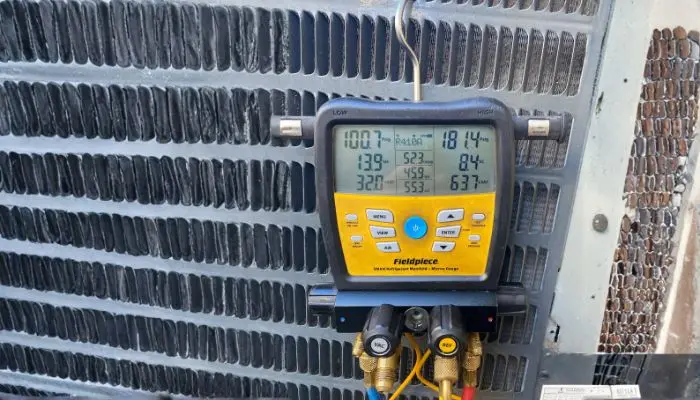
There are few things more frustrating during a Houston summer than hearing your air conditioner running but feeling warm air coming through the vents. If your AC seems to be operating normally but your home is not getting cooler, there could be several possible causes behind the issue.
Homeowners often ask why an air conditioner would continue running even when something is wrong. The answer is that modern HVAC systems are built with numerous components, sensors, and safety mechanisms designed to protect the equipment. In some situations, certain parts of the system may continue operating even during a fault condition.
However, if your AC is running but not cooling properly, it is usually best to turn the system off and schedule professional service as soon as possible to avoid additional damage.
Why an AC May Run Without Cooling
Your air conditioning system contains hundreds of parts working together to cool your home. Even when one component fails, other parts of the system may still continue operating.
For example, some safety features are designed to keep the indoor fan running to help ventilate the ductwork or prevent ice buildup from worsening. This can make it appear as though the AC is functioning normally when it actually has a serious issue.
Several common HVAC problems can cause this situation.
Bad Capacitor
One of the most common reasons an AC system runs without cooling is a failed capacitor.
Capacitors help start and run critical components like the compressor and fan motors. If a capacitor fails, the blower fan inside your home may still run while the outdoor unit struggles to operate properly.
Signs of a bad capacitor may include:
- Warm air from vents
- Humming noises
- Outdoor unit not turning on
- System struggling to start
- Intermittent cooling
Capacitor issues should always be handled by a trained HVAC professional due to the electrical components involved.
Refrigerant Problems
Low refrigerant levels are another common reason your AC may stop cooling effectively.
Your air conditioner relies on refrigerant to absorb heat from inside your home and transfer it outdoors. If refrigerant levels become too low due to a leak, the system can lose cooling capacity and may eventually freeze up.
In some cases, refrigerant overcharging can also create performance problems and strain the system.
Common refrigerant-related symptoms include:
- Warm air from vents
- Ice buildup on refrigerant lines
- Hissing sounds
- Long cooling cycles
- Reduced airflow
Because refrigerant systems are sealed, low refrigerant usually indicates a leak somewhere in the system that needs repair.
Frozen Evaporator Coil
A frozen evaporator coil can also cause your AC to run without properly cooling your home.
When airflow becomes restricted or refrigerant levels are incorrect, moisture on the coil can freeze into ice. As ice builds up, the system loses its ability to absorb heat effectively.
Even while frozen, parts of the HVAC system may continue operating. The indoor fan may keep running to help thaw the coil or circulate air through the ductwork.
Possible causes of frozen coils include:
- Dirty air filters
- Blocked airflow
- Refrigerant leaks
- Faulty blower motors
- Malfunctioning TXV valves
If you notice ice on your AC system, turn it off and contact a professional technician.
Faulty Compressor or Motors
The compressor is one of the most important components in your air conditioning system. It circulates refrigerant throughout the cooling process.
If the compressor fails, the indoor blower fan may still run while the system no longer produces cool air.
Similarly, failed fan motors can prevent proper heat transfer, reducing cooling performance and potentially damaging other components.
Compressor and motor issues often require professional diagnosis and repair.
Faulty TXV Valve
Your system’s thermal expansion valve (TXV) helps regulate refrigerant flow through the evaporator coil.
If the TXV becomes stuck, restricted, or fails completely, refrigerant flow may become unbalanced, causing poor cooling performance, frozen coils, or system inefficiency.
TXV problems can be difficult to diagnose without proper HVAC testing equipment.
When to Turn Off Your AC
Many homeowners continue running their AC after noticing cooling problems, hoping the issue will resolve itself. Unfortunately, operating a malfunctioning system can sometimes make the damage worse.
It is usually best to shut the system off if you notice:
- Warm air from vents
- Ice buildup
- Loud noises
- Burning smells
- Weak airflow
- Constant running without cooling
Turning the unit off can help prevent compressor damage and additional repair costs.
Schedule Professional AC Repair
If your AC is running but not cooling, professional diagnosis is the fastest way to restore comfort and prevent further damage. The experienced team at Blue Label Services can inspect your HVAC system, identify the root cause, and recommend the best repair solution for your Houston home.